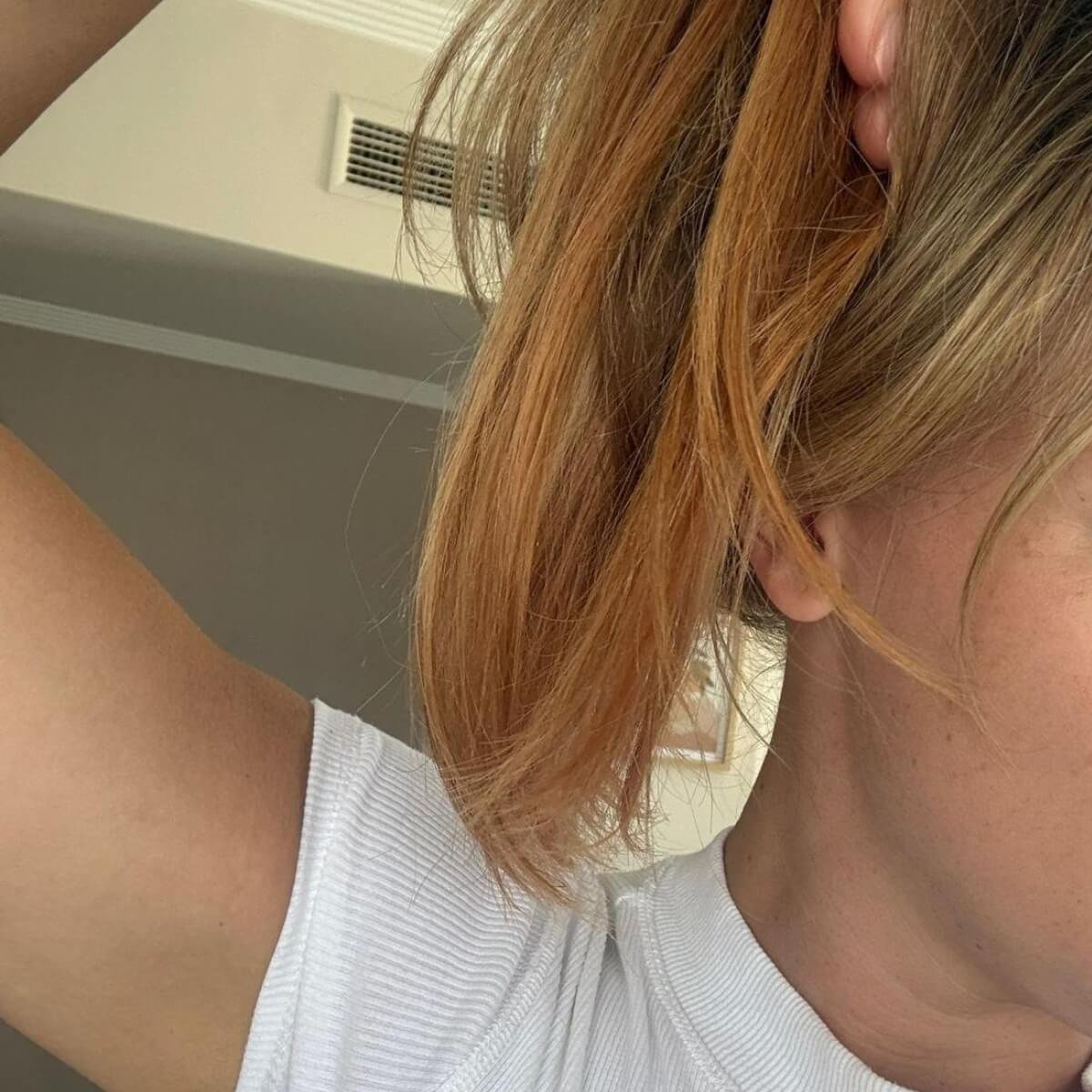
Blonde hair extensions turning pink or orange is a common problem we deal with at Beauty Club London, especially during the summer season. The ‘root’ cause is a chemical reaction involving Avobenzone, a UV-filtering ingredient found in most sun creams and many everyday skincare products. When Avobenzone transfers onto your hair and is exposed to sunlight, it breaks down and reacts with trace minerals that have built up on the hair shaft, creating a permanent pink, peach, or orange stain. The good news? It’s preventable, and in most cases it’s fixable too.
Below, we’ll break down exactly why your extensions have changed colour, how to reverse it, and what to do so it doesn’t happen again.
What Causes Hair Extensions to Turn Pink or Orange?
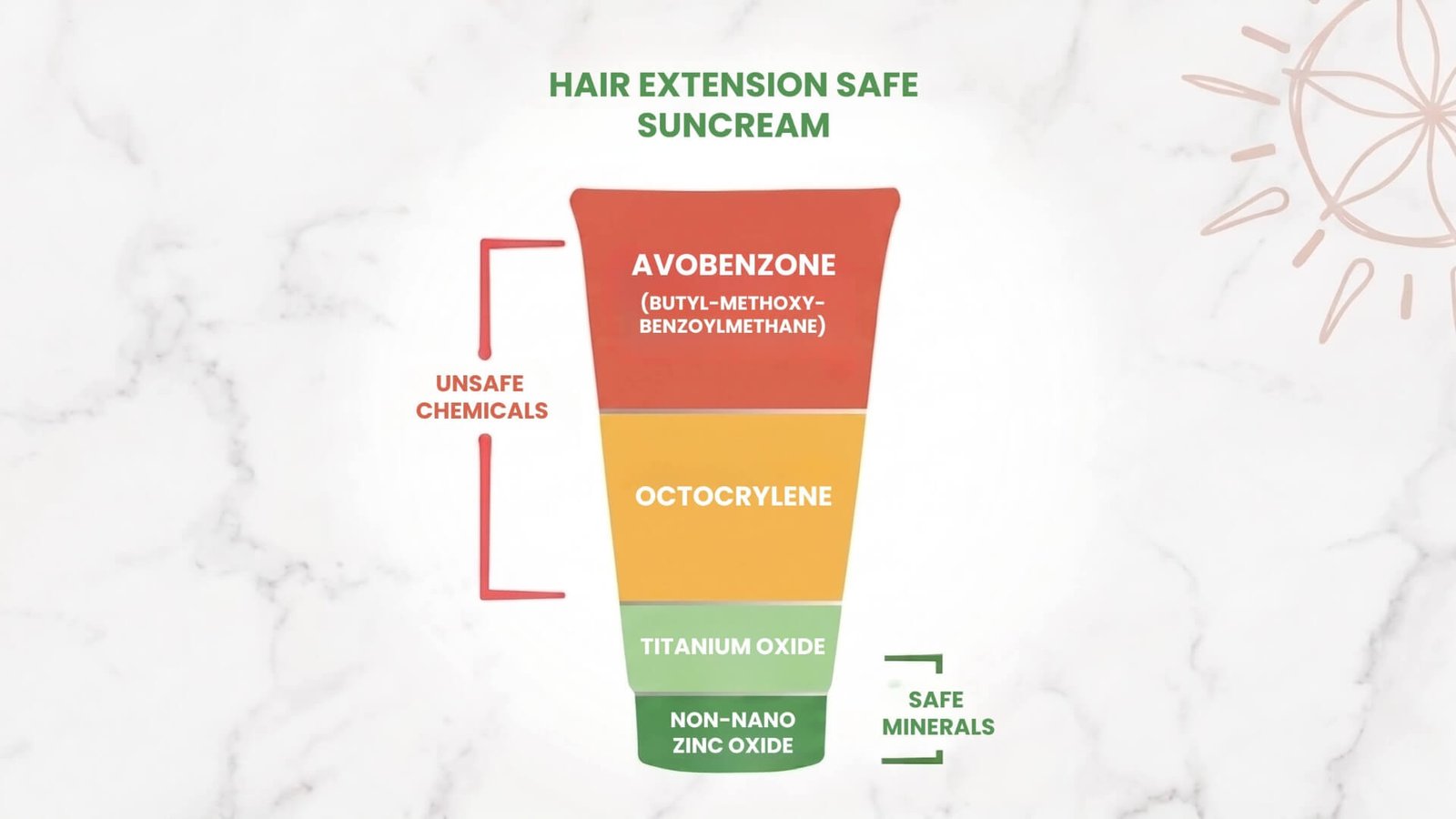
Avobenzone (sometimes listed as Butyl Methoxydibenzoylmethane on the product label) and Octocrylene are found in a wide range of skincare products, including sun creams, moisturisers with SPF, and facial sunscreens. Chemical sunscreens like these absorb into the skin. When they rub off onto hair extensions and are exposed to UV light, they break down and react with the trace metals from hard water (like iron and copper) that naturally build up on the hair. That chemical reaction is what creates the permanent pink or orange rust-like stain.
It doesn’t even require direct application to your hair. Running your hands through your extensions after applying sun cream, using an SPF moisturiser on your face and neck, or simply having your hair resting against sun-creamed shoulders is enough to trigger the reaction.
It’s also worth knowing that Avobenzone doesn’t just affect your hair. It can stain clothes, towels, and pillowcases in the same way. If you’ve noticed unexplained orange or pink marks on white fabric, your skincare is likely the culprit there too.
The Everyday Habits That Make Discolouration Worse
Avobenzone is the cause, but several other factors react with it and make the damage significantly worse. None of these will turn your extensions pink or orange on their own, but when combined with Avobenzone, they can intensify the reaction and accelerate the discolouration.
1. Hard Water
Hard water contains high levels of minerals like calcium, iron, and copper that build up on the hair shaft over time. Those trace metals are exactly what Avobenzone reacts with when it breaks down in UV light.
On its own, hard water will strip away ash tones, leaving the colour more yellow and brassy, but without regular chelating treatments, the minerals keep accumulating, making your extensions increasingly vulnerable to a more severe Avobenzone reaction.
2. Sea Water and Chlorine
Salt water and chlorine both strip moisture from your extensions, leaving them dry, rough, and more porous. Heavy chlorine exposure can even leave a greenish tinge. Neither will cause the pink or orange stain directly, but porous, dehydrated hair absorbs chemicals faster. If you’re combining pool days or beach swims with Avobenzone-containing sun cream, you’re creating the perfect conditions for discolouration.
If your hair extensions have turned pink on holiday, the combination of sun cream, sea water, and hard water is almost certainly the reason. If you’re planning a trip, it’s worth reading our swimming with hair extensions guide for practical tips on protecting them in the water.
3. Perfume
Most perfumes contain between 60 and 95% alcohol, along with chemical compounds that can react with processed hair and contribute to discolouration over time. Alcohol is also one of the main active ingredients in tape extension removal solution, so regular contact with perfume can weaken your attachment points as well. Sweeping your hair out of the way before you spritz takes a second and makes a real difference.
4. Sun Exposure
UV light is what triggers the entire reaction. Chemical sunscreens like Avobenzone work by absorbing UV rays into the skin, rather than reflecting them like mineral sunscreens do. When Avobenzone sits on your hair without UV exposure, nothing happens. It’s only when sunlight hits it that the Avobenzone breaks down and reacts with the minerals on the hair shaft, creating the stain.
So while the sun won’t turn your extensions pink or orange on its own, without it, the Avobenzone reaction doesn’t happen at all. On sunny days, wearing a hat or tying your hair up reduces the chance of triggering the process, especially if you’ve recently applied any skincare containing Avobenzone.
Why Does This Happen to Extensions But Not Your Natural Hair?
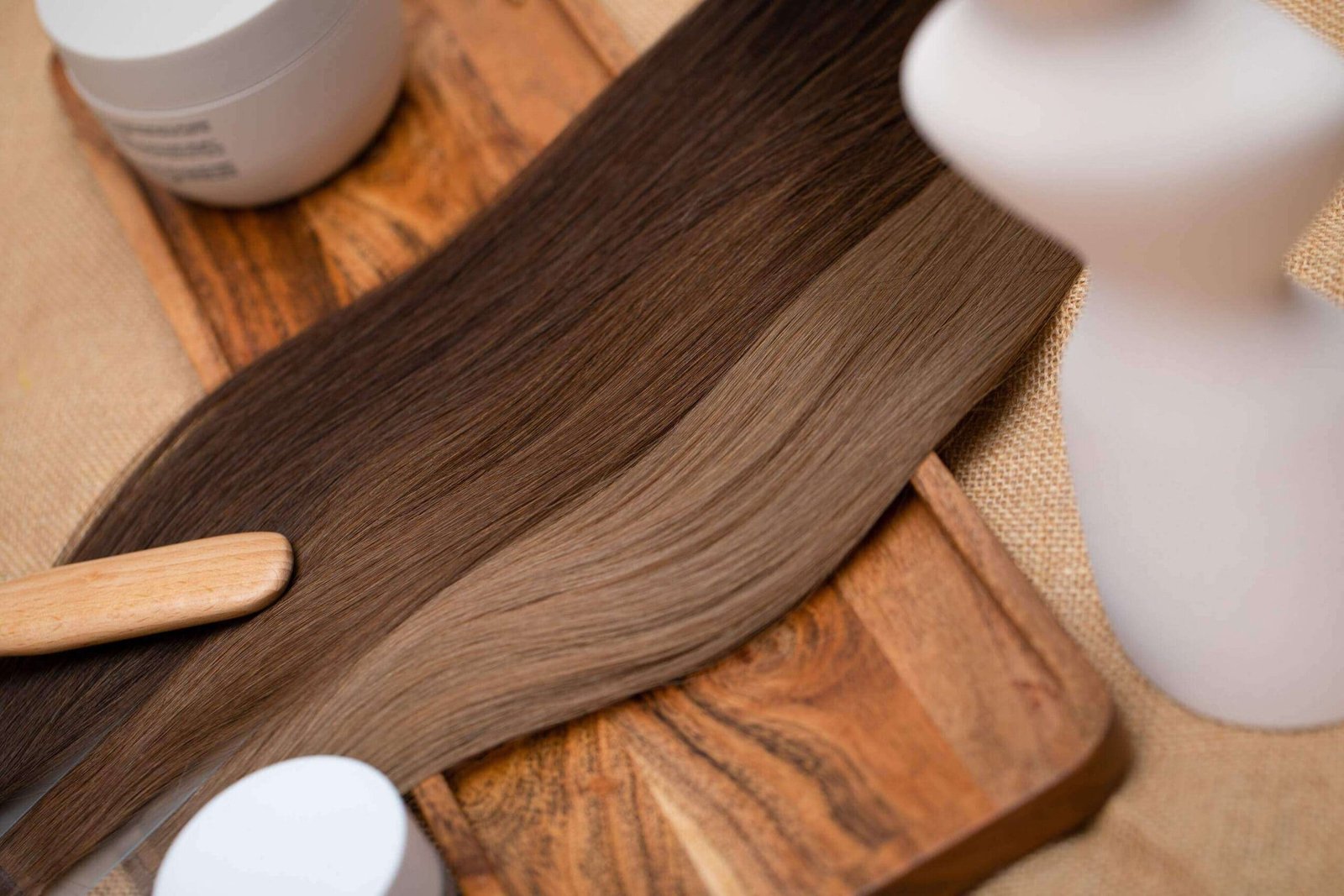
This is the question our clients ask us most often at Beauty Club London, and the answer is straightforward. Your natural hair is attached to your scalp, which continuously produces sebum (natural oils). These oils coat each strand and act as a protective barrier against minerals, chemicals, and all the other daily wear and tear your hair goes through.
Hair extensions, no matter how high-quality they are, don’t have access to those protective oils. They’re more porous and more exposed, which means they absorb and react to chemicals faster. This is also why a proper hair extensions aftercare routine matters so much. Extensions need you to provide the protection that natural hair gets automatically.
It’s also worth understanding the science behind the colour itself. We asked our Colour Director, Moe Harb, to explain:
“Most hair extensions, even blonde ones, start their life as naturally dark hair. Sourcing varies from brand to brand, but the processing is similar across the board. The hair is lightened from its base colour to achieve the desired shade, and during this process, violet and ash pigments are added to neutralise the natural warm tones, just as our colourists would when lightening a client’s natural hair in the salon. When those cool pigments get stripped out by chemicals or minerals, the warm tones underneath are all that’s left, which is why you end up with pink or orange rather than any other colour.”
How to Fix Hair Extensions That Have Turned Pink or Orange
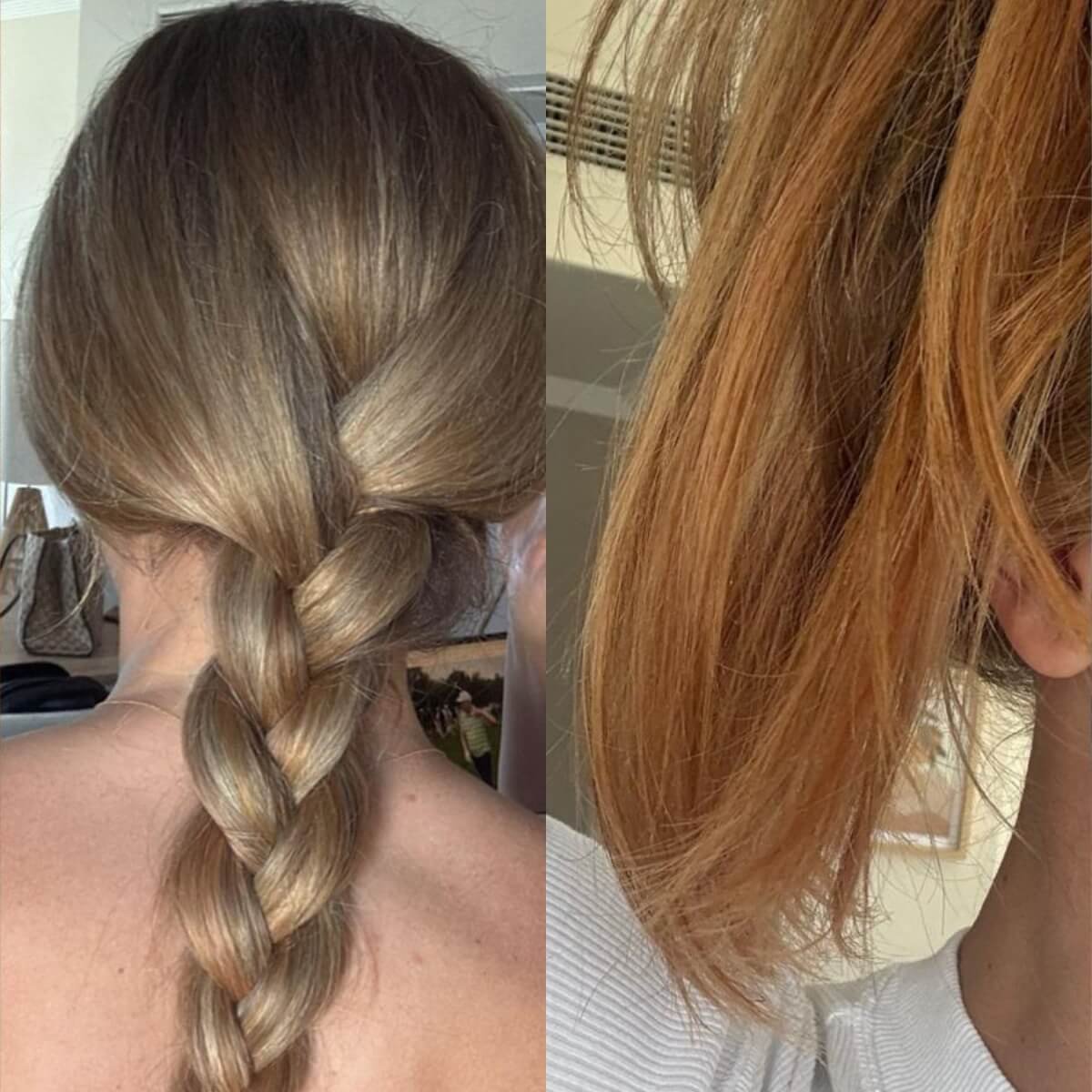
If the damage is already done, don’t panic. Our stylists have helped plenty of clients fix exactly this problem, and in most cases the discolouration can be fully reversed. But the steps you take next matter. Doing the wrong thing first can make things worse.
What NOT to Do
- Don’t reach for purple shampoo as your first step. Purple shampoo is designed to neutralise yellow and brassy tones, not pink or orange chemical stains. Applying it over an active Avobenzone stain won’t remove the chemical bond. It will just mix with the pink and leave you with a muddy, dull colour. Purple shampoo has its place in the process, but only after the stain has been removed.
- Don’t try to bleach it out. Applying bleach or harsh lighteners over an active chemical and mineral stain can drive the discolouration deeper into the hair cuticle, making it permanently impossible to remove. This is the single most common mistake we see, and it’s the hardest to undo.
1. Try a Chelating or Hard Water Treatment
A chelating treatment is your best first option. These are specifically designed to draw out mineral deposits and chemical impurities from the hair, restoring the original tone. Malibu C Hard Water Wellness sachets or Malibu C CPR treatments are widely recommended for this and are available to use at home.
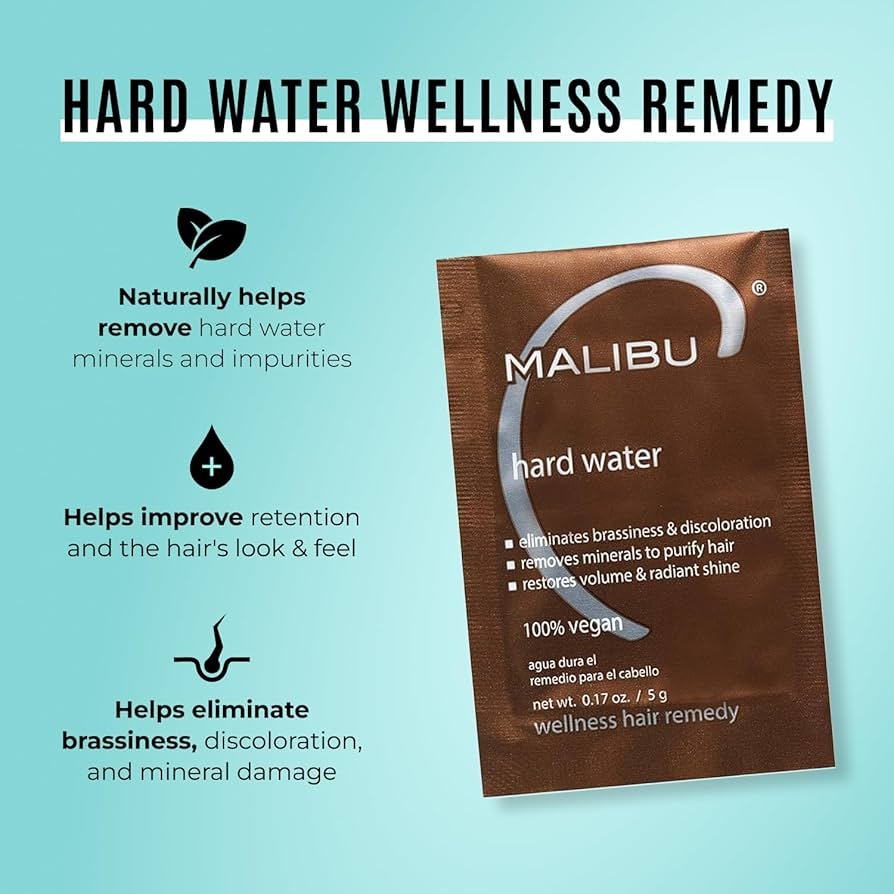
A few things to keep in mind with chelating treatments:
- You may need more than one sachet depending on the amount of hair extensions you have. Check with your stylist if you’re unsure.
- For severe discolouration, you may need to repeat the treatment two or three times.
- Always follow up with a deep conditioning treatment afterwards, as the process can leave hair feeling dry. When conditioning, apply only to the mid-lengths and ends and avoid your extension attachment points, as product build-up around the bonds or tapes can cause them to slip. Our guide on how to wash hair extensions like a pro covers the full technique in detail.
2. The Lemon and Sparkling Water Treatment
This is a technique our senior stylist, Shady Harb, uses and recommends as a natural alternative to commercial chelating products. You’ll need to remove your extensions before starting, as this treatment works best when the hair can be fully submerged.
1. Apply a hair extension safe shampoo to the extensions and rinse thoroughly. Our guide to the best shampoo and conditioner for hair extensions covers exactly what to look for and what to avoid.
2. Squeeze a whole lemon into a bowl and mix with sparkling water. The carbonation helps open the hair cuticle, while the lemon acts as a natural chelator, helping to break down and draw out the mineral and chemical deposits causing the stain.
3. Place the extensions into the bowl and leave them to soak for 10 minutes.
4. Remove the extensions, rinse thoroughly, and shampoo again.
5. If you want to reintroduce some cooler tones after the stain has been lifted, use a purple shampoo with plenty of water and apply it lightly. This is where purple shampoo can actually help, now that the underlying chemical stain has been dealt with.
6. Finish with a high-quality moisturising hair treatment to rehydrate the hair after the process.
3. See a Professional for Toning

If the pink or orange tone is stubborn, patchy, or particularly uneven after home treatment, book in with your stylist. In the salon, we use professional-grade chelating treatments that are stronger than the at-home versions, and we can follow up with a precise toner to neutralise any remaining warmth evenly across the hair. This is especially important for bonded or tape-in extensions, where you can’t simply remove and treat them as easily as clip-ins.
If you can’t get to a salon immediately, a pre-shampoo mineral filter spray such as Color Wow Dream Filter can help safely lift away surface metals before you wash. This won’t fully reverse a heavy stain, but it can prevent it from getting worse while you arrange a professional treatment.
When in doubt, leave it to the professionals. Send us a message with a photo of your hair in natural light, or book an online consultation, and we can assess the severity before you come in.
How to Stop Your Hair Extensions Turning Pink in the First Place
As the saying goes, prevention is better than cure, and it’s quite a lot cheaper than professional colour correction too. Here’s how to keep your extensions protected from unwanted tones.
Check Your Skincare Ingredients
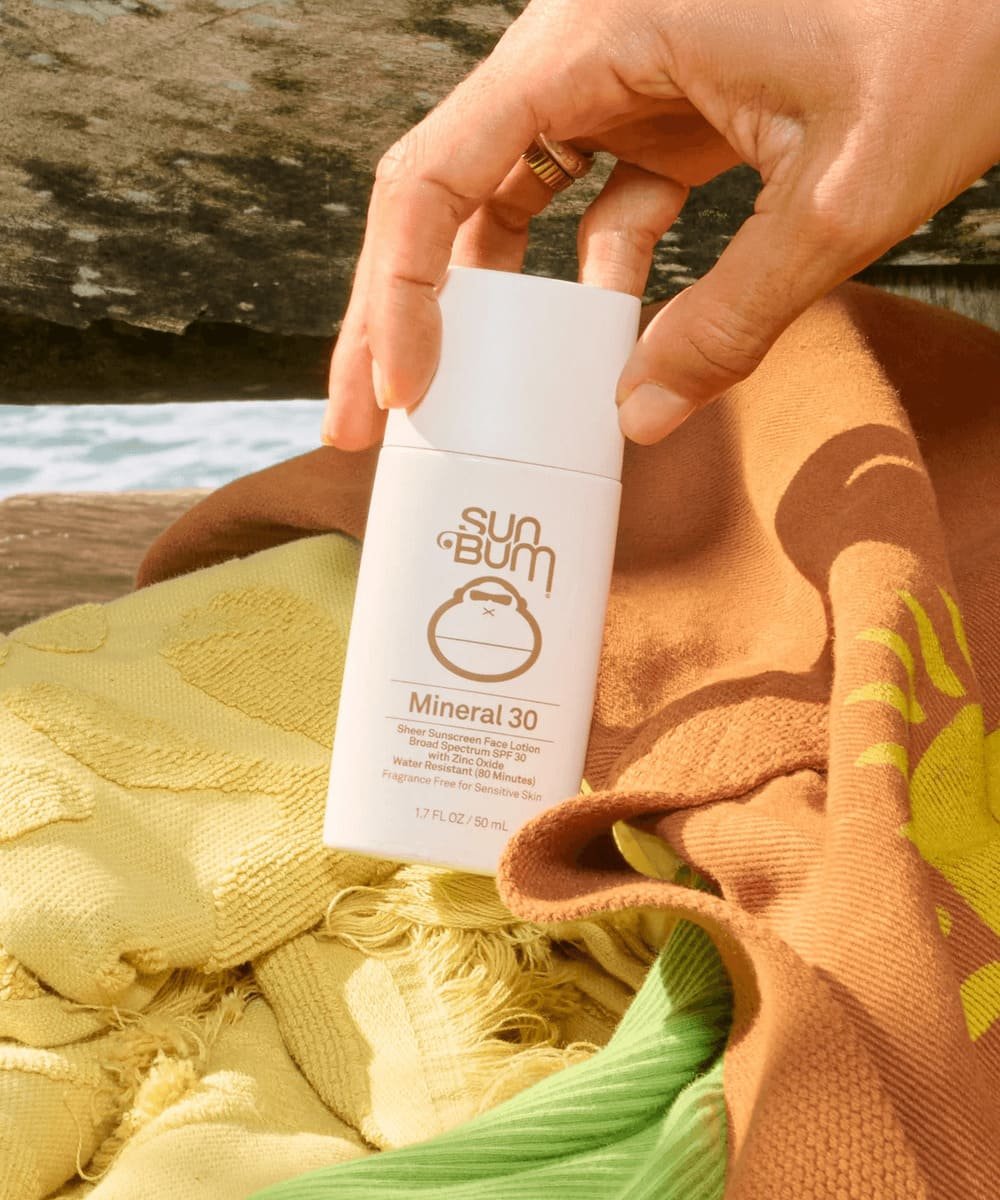
This is the single most effective thing you can do. Before your next holiday, or even before a sunny day in the park, check the ingredients list on your sun cream, SPF moisturiser, and any other skincare you apply to your face, neck, or body. Avoid products containing Avobenzone and Octocrylene. Look for mineral-based sunscreens that use zinc oxide or titanium dioxide instead. These sit on top of the skin rather than being absorbed, so they’re far less likely to react with your hair. They’re also generally better for sensitive skin, according to the Cleveland Clinic, which is a nice bonus.
When applying any sun cream or SPF product, let it fully absorb into your skin before letting your hair down. Better yet, tie your extensions up while you apply and keep them away from your neck and shoulders during the day if you want to be extra careful.
Rinse Your Hair After Swimming
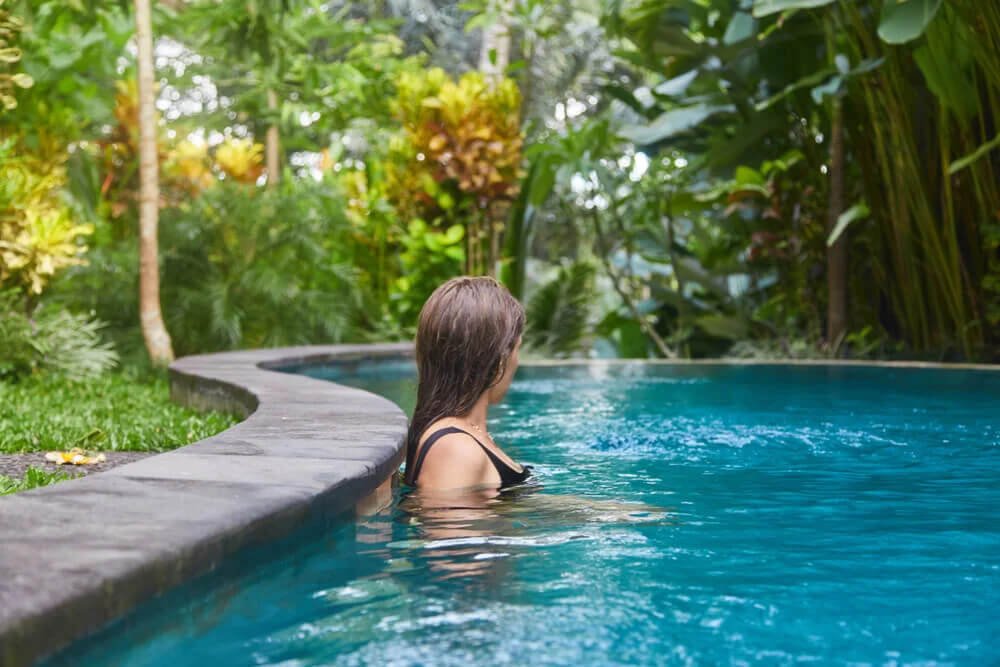
If your extensions get wet in the sea or a swimming pool, rinse them with clean, fresh water as soon as possible. This helps wash away salt, chlorine, and minerals before they have a chance to build up and cause discolouration. For more detailed advice on protecting your extensions while travelling, our hair extensions on holiday guide covers everything you need to know.
Keep Perfume Away From Your Extensions
Make it a habit to sweep your hair forward or to one side before spraying perfume on your neck, chest, or wrists. It only takes a second and it removes one more potential source of chemical exposure.
Use a Chelating Shampoo in Hard Water Areas
If you live in or are visiting a hard water area, consider using a chelating or hard water shampoo regularly. This will prevent mineral build-up before it has a chance to make your extensions more vulnerable to discolouration. It’s a particularly good idea to pack one for holidays abroad, where the water quality may be different from what you’re used to at home.
Protect Your Extensions From the Sun
On very sunny days, wearing a hat or loosely tying your hair up can help reduce UV exposure. If you’re spending a full day outdoors, a UV-protective hair spray (that is Avobenzone free of course) adds another layer of defence. Since UV light is the trigger that activates the Avobenzone reaction, reducing your hair’s sun exposure is one of the most effective preventative steps you can take. This is good practice for your natural hair too, not just your extensions.
When to Consider New Extensions
Sometimes, particularly with very severe or repeated discolouration, the damage can go beyond what shampoo and toner can fix. If the hair has become dry, brittle, or the texture has changed significantly alongside the colour shift, it may be time for a fresh set. This is particularly true if the extensions have been exposed to chlorine or hard water repeatedly over a long period.
At Beauty Club London, our team can assess your current extensions and give you personalised advice on whether they can be restored or whether a replacement would give you a better result. If you’re considering new extensions, or if your current set needs attention, book a consultation with our extensions team and we’ll find the right solution for your hair.
Frequently Asked Questions:
Why have my hair extensions turned pink on holiday?
Holidays are the perfect storm for extension discolouration because so many triggers are happening at once: sun cream and skincare on your skin, sea water, chlorine from pools, intense UV exposure, and often hard water in your accommodation’s shower. The two most effective things you can do are switch to Avobenzone and Octocrylene-free skincare, and rinse your extensions with fresh water straight after swimming.
Can I fix orange or pink extensions at home?
Yes, in most cases. Start with a chelating treatment like Malibu C Hard Water Wellness to remove the mineral and chemical build-up causing the stain. Alternatively, try the lemon and sparkling water method to break down the deposits naturally. Only use purple shampoo after the stain has been removed, as it is designed for brassiness and will make an active Avobenzone stain look worse. For severe or uneven cases, visit your stylist for professional treatment.
What sun cream is safe to use with hair extensions?
Look for mineral-based sunscreens that use zinc oxide or titanium dioxide as their active ingredients, and avoid any product listing Avobenzone or Octocrylene on the label. Mineral sunscreens sit on the skin’s surface rather than being absorbed, which significantly reduces the risk of a chemical reaction with your hair. Always let your sun cream absorb fully before letting your hair touch your skin.
Why have my extensions gone peach but my natural hair looks fine?
Your natural hair receives protective oils from your scalp that act as a barrier against minerals and chemicals. Extensions don’t have this protection, making them more porous and more vulnerable to colour changes. The underlying warm pigments in processed hair extensions are also typically stronger than those in naturally light hair, which is why extensions can turn visibly pink or orange while your own hair stays looking normal.
How do I stop my blonde hair extensions turning pink?
The key steps are: avoid skincare products containing Avobenzone and Octocrylene, rinse your extensions with fresh water after swimming in the sea or pool, keep perfume away from your hair, use a chelating shampoo if you’re in a hard water area, and minimise prolonged sun exposure by wearing a hat or tying your hair up. Following a consistent aftercare routine will also keep your extensions in the best possible condition.
How quickly do hair extensions turn pink from Avobenzone?
Avobenzone begins to break down within 30 minutes of UV exposure, and the visible stain on the hair can appear within an hour of contact. Many clients first notice the discolouration after a single afternoon outdoors, particularly on holiday when sun cream application and sun exposure happen together.
Do all hair extensions turn pink or orange?
It’s most noticeable in blonde and light-coloured extensions because the contrast between the cool-toned surface pigment and the warm underlying pigment is greatest. Darker extensions can still be affected, but the colour change is less visible. Higher quality human hair extensions that have been processed carefully tend to hold their colour better, but no extension is completely immune to chemical reactions from skincare products, chlorine, or mineral-rich water.