The best shampoos and conditioners for hair extensions are sulphate-free and silicone-free, because extensions can’t replenish the protective oils your scalp provides, which leaves them more vulnerable to drying and product build-up than your natural hair.
As a hair extension specialist salon in central London, we advise clients on the right products for their extensions every day. The four we use and recommend most often are:
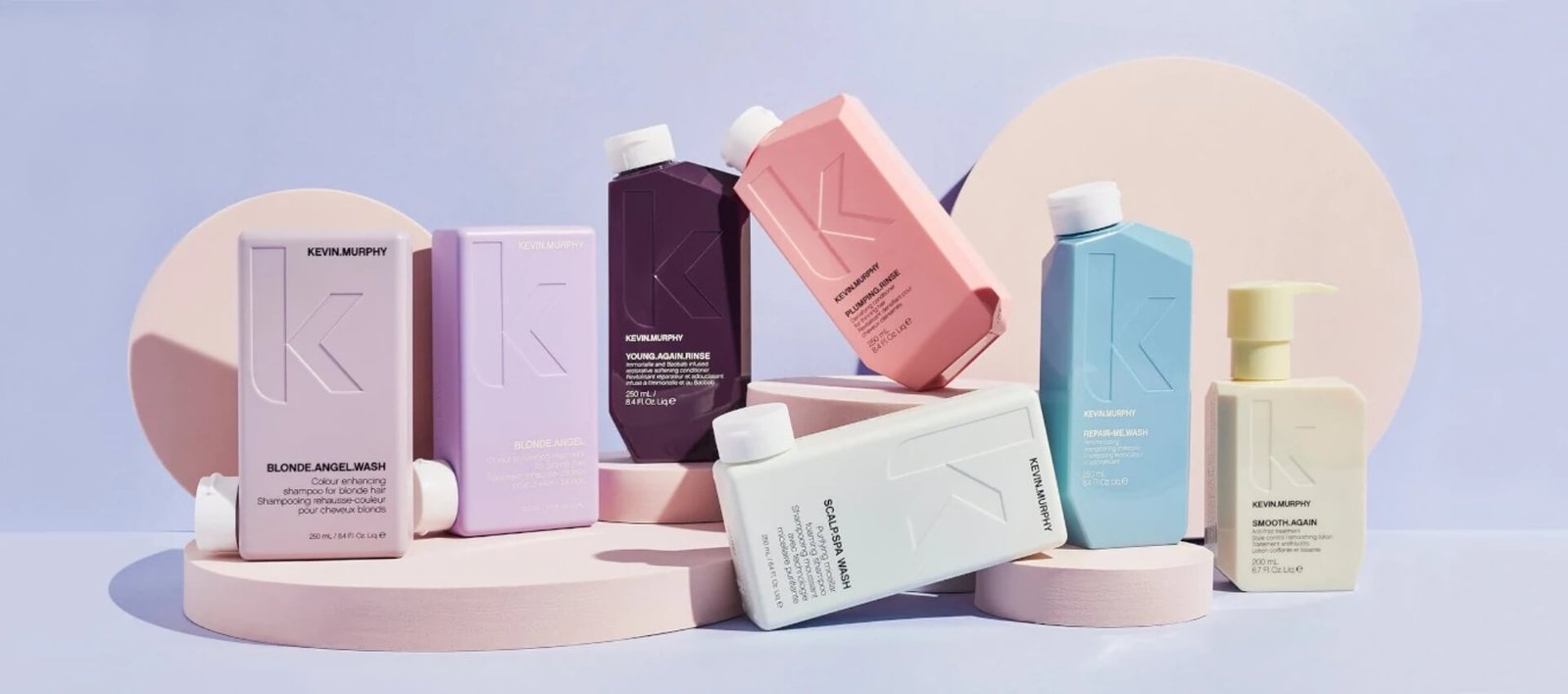
- Kevin Murphy Angel Wash and Angel Rinse as a gentle everyday option
- Color Wow Color Security for colour-treated hair
- Kevin Murphy Blonde Angel for blondes
- Pureology Hydrate Sheer as a lightweight, hydrating option
We cover what each is best for in detail below, but first, here’s what to look for in any shampoo or conditioner to make sure it’s hair extension safe, so you can judge any product that isn’t on our list.
What to Look For on the Label
Sulphate-free
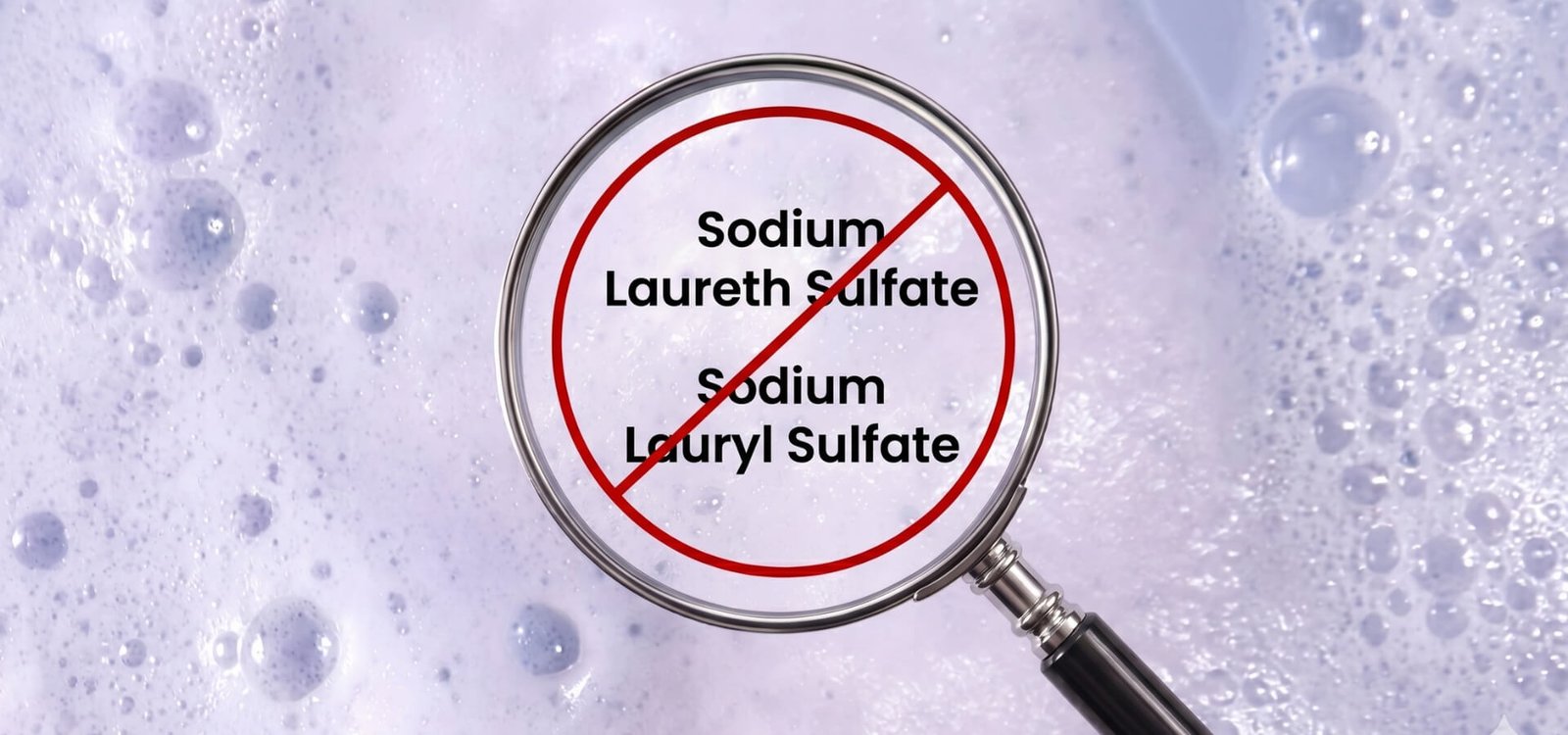
Sulphates are strong detergents behind the thick, foaming lather you get from a lot of shampoos. A rich lather feels like proof the shampoo is working, but it isn’t. The foam is a side effect of a harsh detergent, not the thing cleaning your hair, and gentle sulphate-free formulas do the job just as well with far less foam. What sulphates actually do is strip the natural oils from your hair and scalp, which leaves hair dry, dull and prone to tangling. On extensions, with no scalp to replace the lost oil, the drying builds with every wash, which makes choosing a sulphate-free product the single most important thing to get right.
Low pH
Many high-street shampoos sit at a high pH, which lifts the hair’s cuticle, the overlapping outer layer that lies flat when hair is healthy. When the cuticle stays raised, the open scales catch on each other and cause friction and breakage, and the hair tangles, roughens and loses moisture. On extensions that can’t self-correct, a cuticle left open means hair that mats. A well-formulated, lower-pH shampoo cleans without forcing the cuticle wide open in the first place.
No heavy oils or silicones
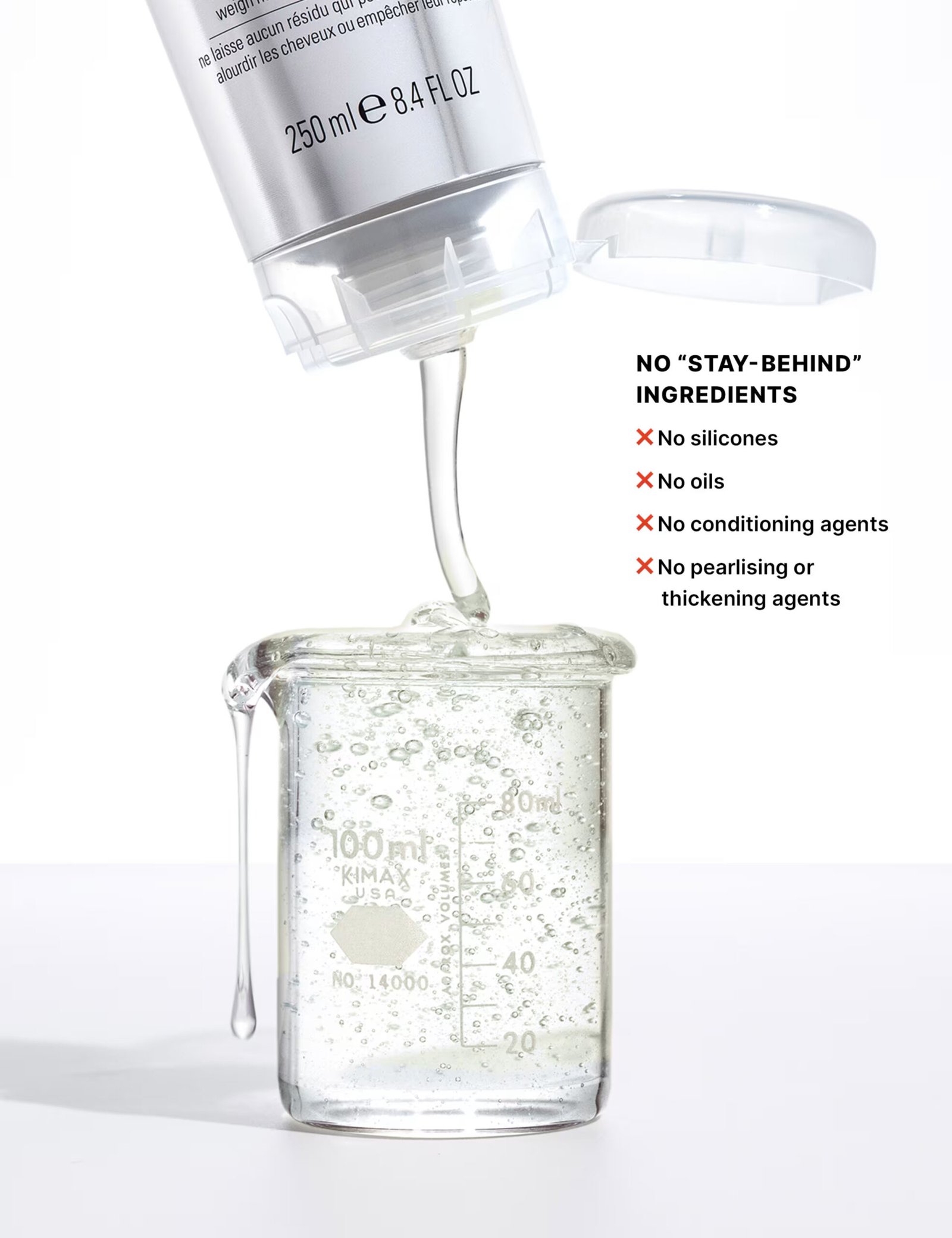
Rich, oily formulas feel lovely in the shower, but the coating they leave behind wears extensions out early.
Heavy oils like coconut and castor sit on the surface of extension hair instead of absorbing, leaving it greasy and limp. They also cause the adhesive on tape-ins and the keratin on bonded extensions to break down, loosening the attachment points, which is a common cause of extensions falling out early.
Silicones work differently. They wrap the hair in a film that blocks moisture and conditioner, so it looks shiny on top while turning dry and brittle underneath. Since conditioner can’t get through that coating, the hair keeps drying out underneath with no way to reach it, and the only fix is a clarifying shampoo to strip the silicone off.
Colour-safe
If your extensions or your natural hair are coloured, a colour-safe formula cleanses without lifting pigment, which keeps both looking fresh between salon visits and stops them from drifting to a brassy or dull shade.
A matching conditioner
When brands recommend using a shampoo and conditioner from the same range, it isn’t just upselling. We asked our stylist, Elli Yad, to explain why it matters:
“Shampoo and conditioner from the same line are formulated to work together on pH. The shampoo lifts the cuticle slightly so it can clean properly, and the matching conditioner is balanced to close it back down by the right amount, so the hair ends up smooth and sealed. When a high-pH shampoo from one brand is used with a conditioner from another, it can leave the cuticle open. Which makes extensions feel rough, tangle at the mid-lengths and lose their shine. On natural hair the cuticle self-corrects over time. On extensions it doesn’t, which is why it’s so important to use matching products.”
Skip 2-in-1s and dry shampoo
A combined shampoo and conditioner sounds efficient, but the two jobs fight each other. Shampoo is meant to clear excess oil, conditioner is meant to seal moisture in, so doing both at once means neither works properly, and leaves a residue that dulls and weighs extensions down. Avoid dry shampoo as well. The alcohol it relies on dries the hair and can loosen the tapes or bonds over time.
The 4 Best Shampoos and Conditioners for Extensions
Here’s how the four products compare, then we’ll go through each one.
| Product | Best for | Sulphate-free | Why it works |
|---|---|---|---|
| Kevin Murphy Angel Wash and Angel Rinse | Everyday use, fine hair | Yes | Light formula, leaves no build-up |
| Color Wow Color Security | Colour-treated hair, build-up | Yes | Rinses 100% clean, holds colour |
| Kevin Murphy Blonde Angel | Blonde and lightened hair | Yes | Tones cool without going grey |
| Pureology Hydrate Sheer | Value, fine or dry hair | Yes | Salon-grade, lowest price of the four |
1. Kevin Murphy Angel Wash and Angel Rinse
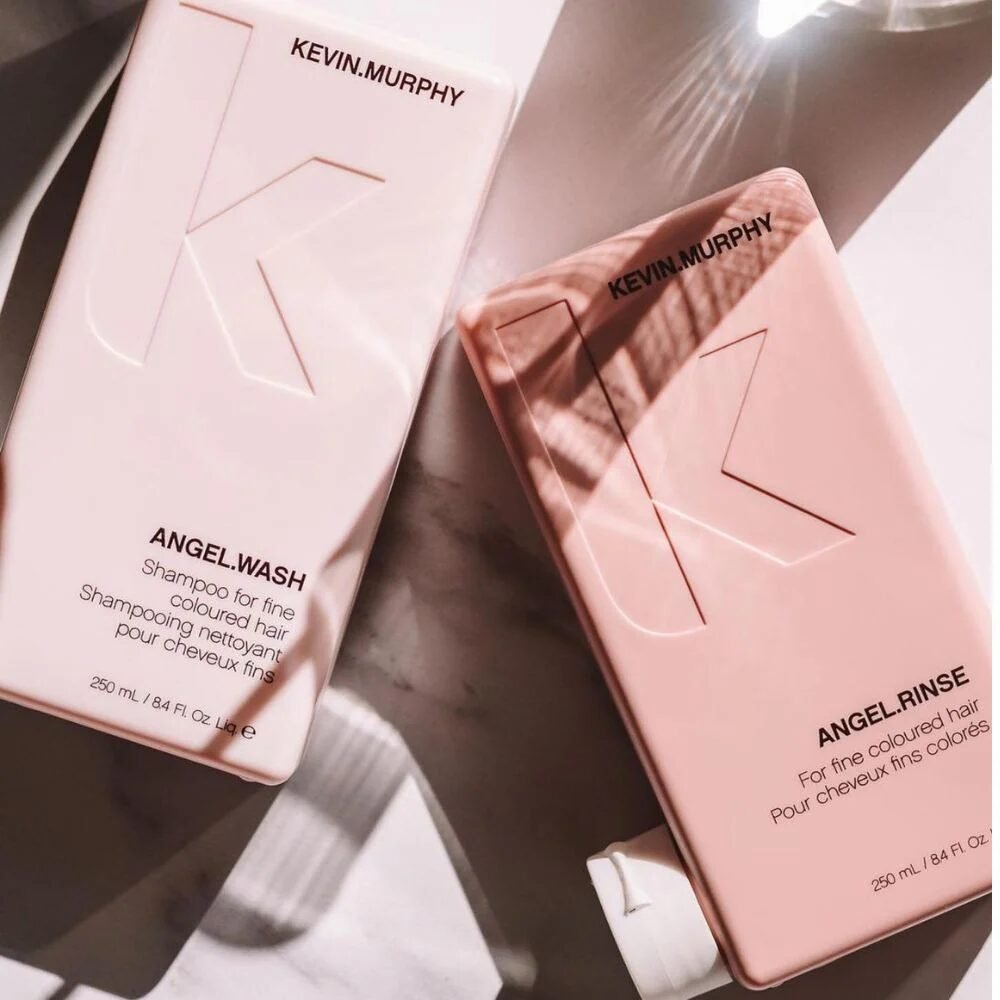
Best for: everyday washing, fine hair and most extension types
This is the one we use most often, both on clients with finer hair and as an all-round everyday option. Angel Wash is sulphate, paraben and silicone-free, and built around hydrolysed oat protein, which is small enough to support fine hair and add a little body to make it appear thicker without coating it or weighing it down. That’s the balance you want on extensions: enough conditioning to keep them soft, but no heavy oils that cause buildup.
Because it’s so light, it doesn’t leave the residue that wears extensions down, which is why it’s a safe pick for clients wearing extensions on thin hair. Follow with Angel Rinse, the matching conditioner, which uses mango and cocoa butter to soften and detangle without the heavy waxes that build up and loosen the attachment points. Keep it to the mid-lengths and ends, well clear of the tapes and bonds.
Shop: Kevin Murphy Angel Wash
Shop: Kevin Murphy Angel Rinse
2. Color Wow Color Security Shampoo and Conditioner
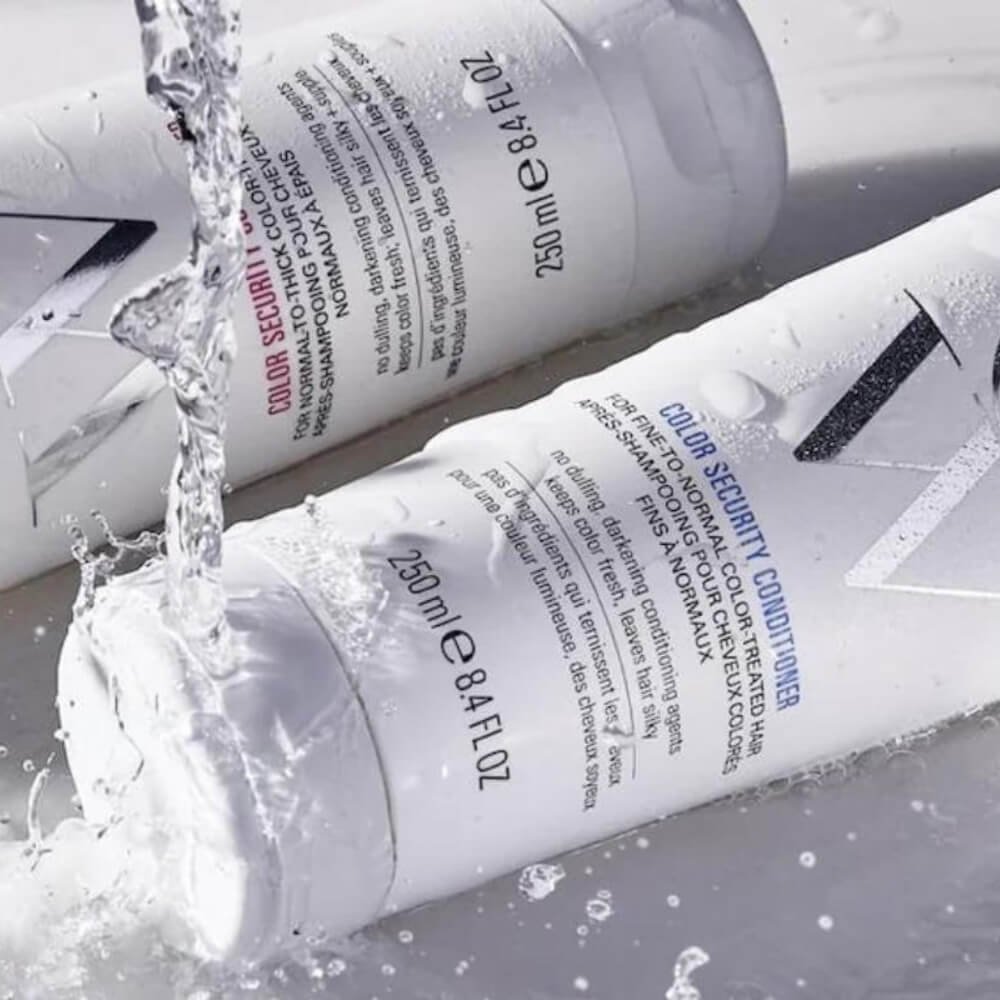
Best for: colour-treated extensions and anyone prone to build-up
Color Wow has been a salon staple of ours for years, and it earns its place. The Color Security Shampoo is built to rinse completely clean: no silicones, no conditioning agents, no sulphates, nothing left to linger on the hair or work into the attachment points. That matters more than almost anything else on the label, because extensions have no oil turnover to carry residue away, so whatever a shampoo leaves behind stays on the hair and around the bonds, dulling and weighing it down. It also holds colour fresh noticeably longer between washes.
The conditioner comes in two versions, Fine-to-Normal and Normal-to-Thick, so you can match it to your hair and extension density rather than guessing. Pick the lighter one if your own hair is fine, and the richer one if your hair and extensions are thick or coarse. Matching the weight of the conditioner to the hair is part of avoiding build-up: a too-rich conditioner on fine hair is just residue waiting to happen.
Shop: Color Security Shampoo
Shop: Fine-to-Normal Conditioner
Shop: Normal-to-Thick Conditioner
3. Kevin Murphy Blonde Angel: the Best Purple Shampoo for Hair Extensions
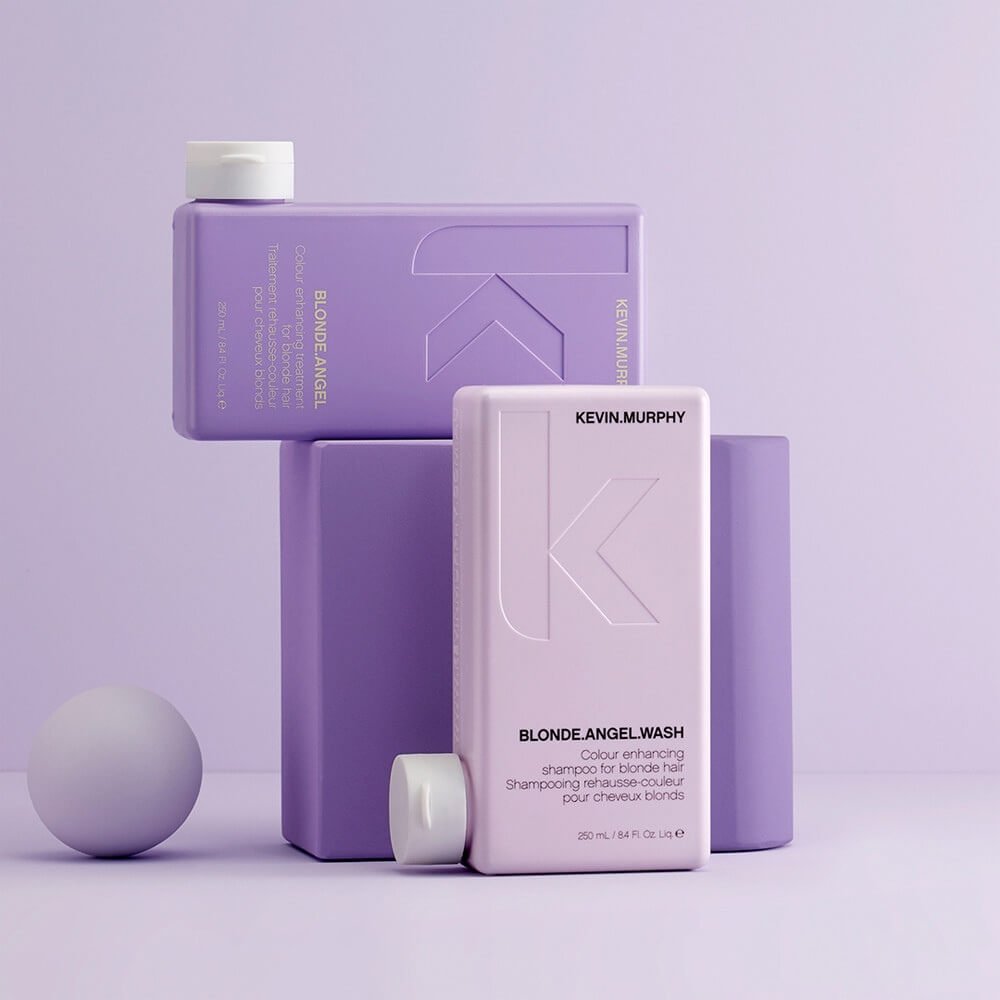
Best for: blonde and lightened extensions that need their tone kept cool
Blonde extensions drift warm over time, and a purple shampoo deposits a small amount of violet pigment to cancel that yellow out. Most of them are too strong. When they’re used too often, or left on too long, they leave more pigment than the hair needs. Because lightened extensions are porous and grab pigment fast, that shows up worse than on your own hair, and depending on the starting tone and how strong the purple pigment is, the extensions can go grey, muddy or even turn visibly purple. This is the one we trust to avoid it. We asked our Colour Director, Moe Harb, for his take:
“It’s the only purple shampoo I trust on extensions. Most are too strong, and because lightened hair is so porous, it grabs the pigment unevenly, so instead of a clean blonde you end up with a dull, grey cast. Blonde Angel just takes out the yellow, and leaves the tone cool and bright. I’d still recommend using it once or twice a week at most, not every wash, which goes for any purple shampoo.”
Blonde Angel Wash uses violet pigment and optical brighteners to counteract yellow tones, and it’s sulphate and paraben free like the rest of the Angel line. Alternate it with your regular shampoo and follow with the Blonde Angel treatment, which conditions and tones in one step.
Shop: Kevin Murphy Blonde Angel Wash
Shop: Kevin Murphy Blonde Angel treatment
4. Pureology Hydrate Sheer Shampoo and Conditioner
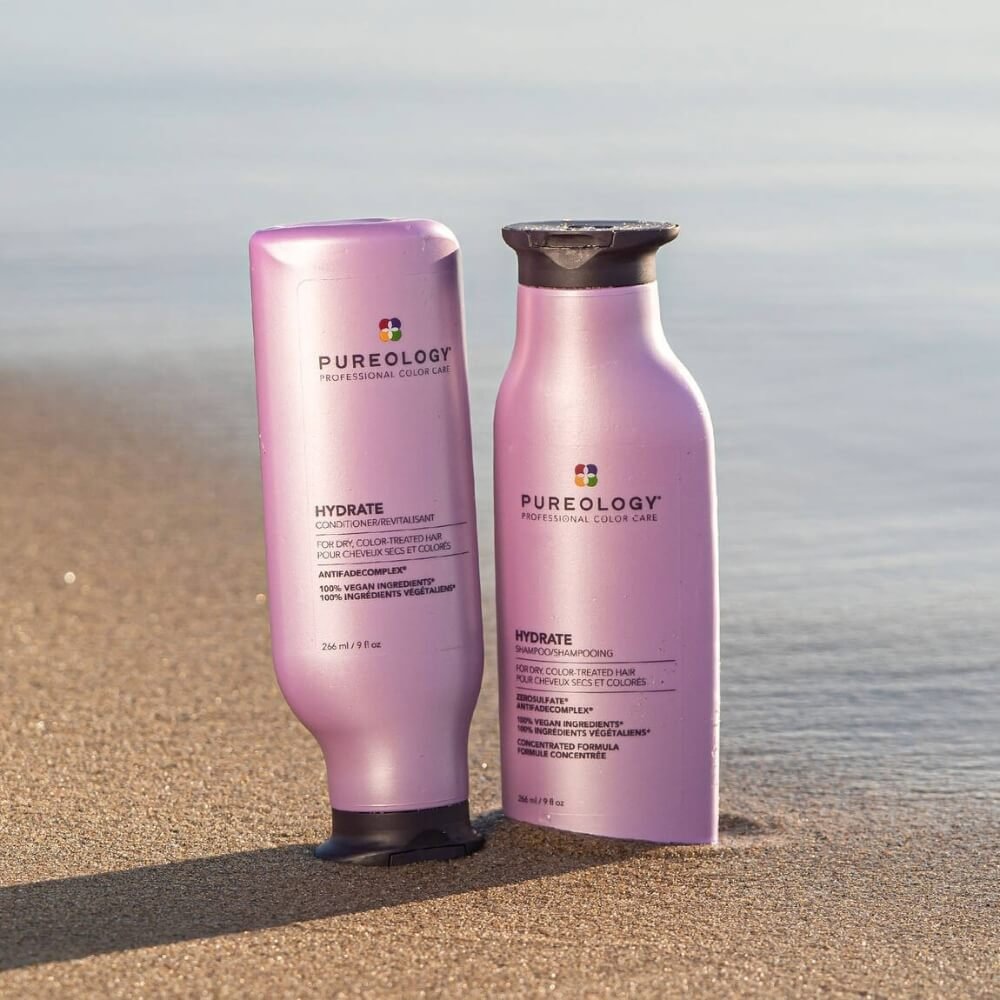
Best for: value, plus fine, dry or colour-treated hair
Of our four picks, Pureology is the most affordable. Hydrate Sheer is sulphate-free, silicone-free and vegan, with a lightweight formula that adds moisture without flattening fine hair, which is the balance porous extensions need. Pureology’s Antifade Complex helps hold colour, so it covers coloured extensions too without pushing the price up.
One thing worth clearing up, because it confuses a lot of clients: Hydrate Sheer is a lilac colour in the bottle, but it is not a purple toning shampoo. It won’t neutralise brassiness. It’s a hydrating cleanser that happens to be tinted purple. Hydrate Sheer is a great option for gentle, everyday hydration.
Shop: Pureology Hydrate Sheer Shampoo
Shop: Pureology Hydrate Sheer Conditioner
Why the Right Shampoo Matters More With Hair Extensions
Your natural hair is attached to your scalp, which constantly produces sebum, the natural oil that coats each hair and acts as a barrier against minerals, chemicals and daily wear. Hair extensions, however good the quality, have no blood supply and no access to those protective oils. They can’t moisturise themselves, and unlike the hair on your head, they aren’t constantly being replaced by new growth, so any damage is permanent. Whatever you wash them with either protects them or wears them down, with no scalp underneath to repair or replace them.
Two things follow from that.
First, extensions are more porous than your own hair, especially if they’ve been lightened. Porous hair absorbs whatever it touches faster and holds onto it, so a stripping or coating ingredient does more damage to extensions than it would to your natural hair. Second, anything that builds up stays built up. There’s no natural turnover of oils to carry residue away, so heavy products accumulate on the hair and around the tapes or bonds until you actively clarify them out.
Alcohol is a particular problem. Certain alcohols common in haircare products, such as denatured alcohol and isopropyl alcohol, are also among the main active ingredients in professional extension remover, so an alcohol-based shampoo or dry shampoo can loosen your extensions the same way the remover does, while drying the hair out at the same time. Fatty alcohols like cetearyl alcohol, commonly found in conditioners, are fine.
That is why most supermarket shampoos aren’t a safe choice for extensions, however gentle or nourishing they seem.
How to Wash Hair Extensions Correctly

The right product still needs the right technique behind it. Use lukewarm water rather than hot, since heat lifts the cuticle further. Dilute a small amount of shampoo and work it gently through the roots without scrubbing or piling the hair on top of your head, which is how tangling and matting start. Keep conditioner to the mid-lengths and ends, since even an oil-free formula can work into the extensions’ attachment points and loosen them. Rinse thoroughly so nothing is left to build up, and finish with a cool rinse to close the cuticle back down and lock in shine.
Wash less often than you think you need to. Extensions don’t get oily at the lengths the way hair growing from your scalp does, so over-washing just strips them faster. For the full step-by-step, our guide on how to wash hair extensions walks through the technique, and our hair extensions aftercare guide covers the rest of the routine.
Frequently Asked Questions
Can you use normal shampoo on hair extensions?
No, regular supermarket shampoos are best avoided. Many contain sulphates that strip moisture and silicones that build up around the attachment points, and your extensions have no scalp oils to offset that drying. The result is hair that goes dry and tangled well before refit. A sulphate-free, lightweight formula is a far safer choice.
What is the best shampoo for tape-in extensions?
A sulphate-free, alcohol-free, lightweight shampoo is best for tape-ins. Alcohol is the ingredient that breaks down tape adhesive, so it’s worth checking the label closely, and the same residue-free rule applies as with any method. Any of our four picks works well. You can read more about how tape-in extensions are fitted and maintained on our service page.
Can you use leave-in conditioner on hair extensions?
Yes, a lightweight leave-in conditioner is a useful addition, since extensions can’t self-moisturise between washes. Apply it to the mid-lengths and ends only, keeping well clear of the tapes or bonds, and avoid anything rich in oils or silicones. It helps with detangling and dryness without the build-up risk.
How often should you use purple shampoo on blonde extensions?
Once or twice a week is plenty. Purple shampoo deposits toning pigment with each wash, and because lightened extensions are porous they grab that pigment fast, so daily use can leave them looking grey or flat. Alternate it with your usual sulphate-free shampoo to keep the tone cool without over-toning.
Why do my extensions go dry and tangled so quickly?
Because they have no scalp oils to keep them hydrated, so they rely entirely on your products and washing technique. Sulphate shampoos, high-pH formulas, hot water and over-washing all speed up dryness, and hard water minerals make it worse. Switching to a sulphate-free formula and washing less often usually turns it around within a few washes.